You were ready to wean. Maybe more than ready. You were touched out, exhausted, desperate to reclaim your body, done with pumping at work, finished with nursing bras and leaking and the endless cycle of feeding.
So why, now that it's ending, do you feel like you're losing something precious?
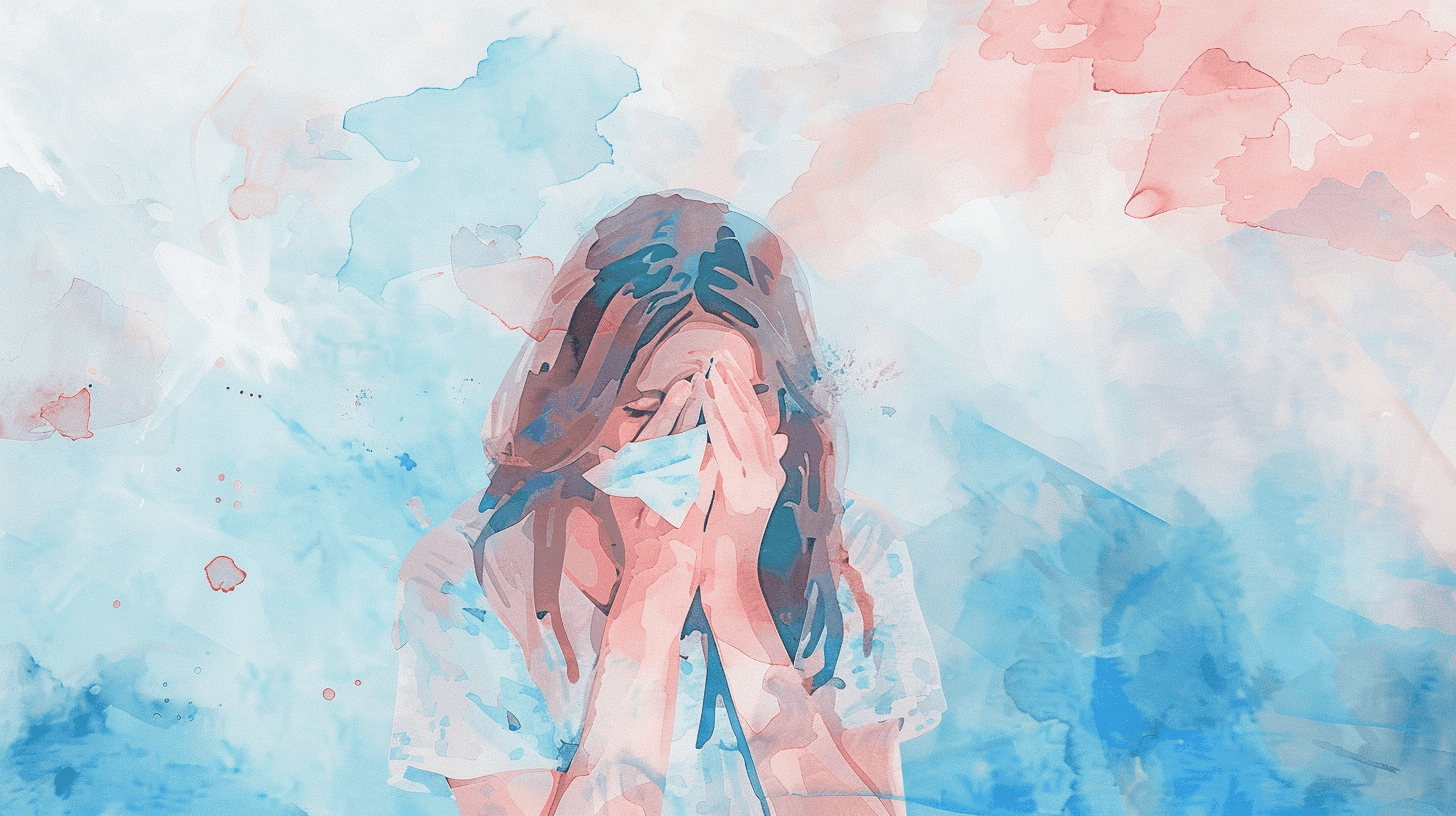
The relief you expected is there, sort of. But alongside it is a grief you weren't prepared for. A tenderness when you see other mothers nursing. A strange emptiness when your baby reaches for a bottle instead of you. A mourning for a chapter you were ready to close but hadn't realized would hurt to end.
If weaning has stirred up emotions you didn't anticipate, you're not broken. This is one of motherhood's most underrecognized experiences: breastfeeding grief.
Why Weaning Can Trigger Grief
Breastfeeding is not just a feeding method. It's a relationship. A physical connection unlike any other in human experience. Another person drawing nourishment from your body. Research by anthropologist Kathy Dettwyler describes breastfeeding as a "biosocial" behavior, meeting both biological and deep psychological needs for mother and child.
When that relationship ends, grief makes sense. Even when you're ready. Even when you chose it. Even when you're relieved.
You're Grieving a Unique Closeness
During breastfeeding, you are quite literally irreplaceable. No one else can provide what you provide. That's exhausting, and also meaningful. When weaning ends, you lose that singular role. Your body is yours again, but you're also more... replaceable. Anyone can give a bottle.
You're Grieving a Version of Your Baby
The baby who nursed is not the same as the toddler who drinks from a cup. Weaning often coincides with other developmental leaps: walking, talking, independence. You may be mourning the loss of your infant even as you celebrate your growing child.
You're Grieving Physical Intimacy
Research by developmental psychologist Ruth Feldman shows that breastfeeding activates oxytocin systems in both mother and baby, creating states of calm, connection, and bonding. When nursing ends, you lose that regular biochemical bath of connection.
You're Grieving Even If You Wanted to Stop
This is the part that confuses many mothers. How can you grieve something you chose to end? But grief doesn't require that you wanted the loss. It only requires that something meaningful ended. You can be relieved and grieving. They're not mutually exclusive.
The Complicated Feelings Around Weaning
Breastfeeding is so culturally loaded that weaning brings up layers of complexity:
If you weaned earlier than planned: You might carry guilt, feeling like you "should" have done it longer. The gap between your expectations and reality can amplify grief.
If you struggled with breastfeeding: You might feel grief mixed with complicated relief, mourning the nursing relationship you wished you'd had rather than the one you actually experienced.
If you weaned because of pressure: Whether from a partner, employer, family member, or medical need, weaning that wasn't fully your choice often brings resentment alongside loss.
If you nursed longer than others: You might feel defensive about your grief, worrying others will judge you for being "too attached" or nursing "too long."
If this might be your last baby: Weaning your youngest means weaning forever. The finality of "I will never breastfeed again" can intensify everything.
What Breastfeeding Grief Can Look Like
Grief doesn't always look like crying. In the context of weaning, it might show up as:
- Unexpected tears when you see a nursing mother
- Irritability that seems disproportionate to circumstances
- A sense of emptiness or purposelessness
- Anger at your partner, your baby, or yourself, with no clear cause
- Feeling disconnected from your child
- Nostalgia for "the early days"
- Difficulty looking at old photos or videos of nursing
- Preoccupation with whether you weaned "right" or "too soon"
- Physical symptoms: heaviness in your chest, fatigue, loss of appetite
Some of these symptoms can also indicate postpartum depression triggered by weaning. See my previous post on weaning and mood changes for more on that distinction. But grief itself can create these experiences without becoming clinical depression.
Distinguishing Grief from Depression
Grief and depression share some features, but they're different experiences:
Grief tends to come in waves. You'll feel okay, then something triggers the loss, a photo, a moment, a memory, and the feelings wash over you. Then they recede again.
Depression tends to be more constant. The low mood persists. It doesn't come and go based on triggers; it's the baseline.
Grief allows for moments of positive feeling. You can grieve the loss of breastfeeding and still laugh at your baby's new trick. The grief doesn't block everything.
Depression often flattens everything. The positive feelings are inaccessible or muted across all areas of life.
If you're unsure which you're experiencing, it's worth checking in with a provider. Both are treatable, but the treatment approaches differ.
What Helps with Breastfeeding Grief
1. Let Yourself Feel It
Resist the urge to dismiss your feelings as silly or excessive. You had a significant physical and emotional relationship that has ended. That warrants mourning, whatever anyone else thinks.
2. Name the Both/And
"I'm relieved AND sad." "I wanted to stop AND I'm grieving." "This was the right choice AND I'm mourning." Holding both truths creates space for the full complexity of your experience.
3. Create a Transition Ritual
Grief often benefits from ritual. Consider: a last nursing photo, a letter to your baby about your breastfeeding journey, donating your pump to someone who needs it, buying yourself something meaningful to mark the transition.
4. Find Connection Elsewhere
Breastfeeding was one form of close physical contact with your baby. As it ends, intentionally create other forms: extended skin-to-skin time, massage before bed, lots of holding and cuddling. The relationship continues; only the form changes.
5. Talk to Other Mothers
Breastfeeding grief is common but rarely discussed. Finding others who understand, whether in person or in online communities, helps you feel less alone and less strange.
6. Watch for Hormone-Triggered Depression
If your grief is accompanied by the other symptoms I describe in "Weaning and Depression", such as persistent low mood, anxiety, sleep changes, or inability to enjoy things, you may be experiencing a hormonal mood shift that needs additional support.
For the Mother Who Feels Ashamed of Her Grief
Maybe you think you shouldn't feel this way. Maybe you're telling yourself:
- "I only breastfed for three months. I don't deserve to grieve."
- "Other mothers have it so much harder."
- "It's just breastfeeding. Why am I making such a big deal?"
- "I should be grateful I could breastfeed at all."
Let me be clear: The duration of breastfeeding doesn't determine the legitimacy of your grief. Whether you nursed for three weeks or three years, you had a relationship that ended. Loss is loss.
Comparison doesn't diminish grief. Other mothers having different experiences, harder or easier, doesn't make your feelings less valid.
And "just breastfeeding" is a phrase that minimizes something that was, in fact, significant. You fed your baby with your body. That's not small.
What Your Baby Is Also Learning
As you grieve, it might help to know: your baby is okay. Research shows that strong mother-child attachment continues after weaning. The bond you built doesn't disappear when the breast milk does.
In fact, weaning can be a healthy developmental milestone: your baby learning that connection survives change. That love continues even when things end. That transitions, while hard, are survivable.
You're modeling this for them even now, as you move through your own grief while staying present for their growth.
This Too Will Integrate
Grief doesn't disappear, but it does soften. The sharp edges of fresh loss round into something gentler. You'll be able to look at photos of nursing without the ache. You'll see other mothers breastfeeding and feel tenderness rather than longing. The ending will feel less like loss and more like completion.
For now, be gentle with yourself. You just closed a chapter that mattered, one written in your body, in middle-of-the-night feedings, in the particular weight of your child against your chest.
You don't have to be over it yet. You don't have to feel only relief. You can honor what you had while moving forward into what comes next.
The breast milk may be gone. But everything you built while providing it remains.
If naming this as grief made your throat tighten—if you didn't expect the ending of something you were ready to end to hurt this much—that ache is real, and it makes sense. You can feel relief and loss in the same breath. This chapter mattered, and so does how you close it. If the sadness lingers or feels heavier than you can carry, talking it through helps. You can explore therapy for new moms or book a free consultation whenever you're ready.